

Carlos Vicente Baeza is hired as research staff
Carlos Vicente Baeza has obtained a contract as predoctoral research staff at the Universitat de València.

CIPROM/2024/48
Discover the project01What is ACEDAT
Rates of youth depression and suicide are rising worldwide and present a critical public health problem. This is of particular concern in girls, as the prevalence and severity of depression are higher than in boys. Despite these apparent sex differences, only a few studies have analyzed the influence of sex in the development of depression, and even fewer focused on adolescence. Several risk factors have been associated with an increased risk of developing depression in adolescents. Still, exposure to adverse childhood experiences (ACEs) stands out, such as interpersonal trauma (child maltreatment, physical and sexual assault, the witnessing of violence, and school bullying). Although prior research has established the relationship between trauma and mental health outcomes, very few studies have specifically examined the impact of childhood trauma on adolescent clinical samples with depression and suicidality.

This project is intended to understand better the characteristics of and precursors for adolescent depression and suicidality, combining studies in patients (impact of bullying in adolescents admitted for depression) and experimental mice (depressive-related behaviors induced by early life, psychosocial, and chronic stress). Moreover, we analyze the influence of ACEs on the likelihood of substance abuse among adolescents admitted for depression, in parallel with the analysis of the impact of early life, psychosocial, and chronic stress on the vulnerability to alcohol consumption in mice. With the final goal of establishing gender-based differences, all the research is conducted on both sexes.
01
Among the risk factors for depression in adolescence, exposure to adverse childhood experiences stands out, such as interpersonal trauma: child maltreatment, physical and sexual assault, the witnessing of violence, and school bullying.
02
Rates of youth depression and suicide are rising worldwide and present a critical public health problem. Very few studies have specifically examined the impact of childhood trauma on adolescent clinical samples with depression and suicidality.
03
The prevalence and severity of depression are higher in girls than in boys. Despite these differences, only a few studies have analyzed the influence of sex in the development of depression. With the final goal of establishing gender-based differences, all the research is conducted on both sexes.
04
The project combines studies in patients (impact of bullying in adolescents admitted for depression) and experimental mice (depressive-related behaviors induced by early life, psychosocial and chronic stress), and evaluates the therapeutic potential of CBD and a PPARβδ receptor agonist.
03How it is researched
Clinical study
Adolescents admitted for depression
Hospital Universitario 12 de Octubre · 1 line
Animal model
Mice exposed to stress
Three protocols during adolescence · 3 lines
Studied in both
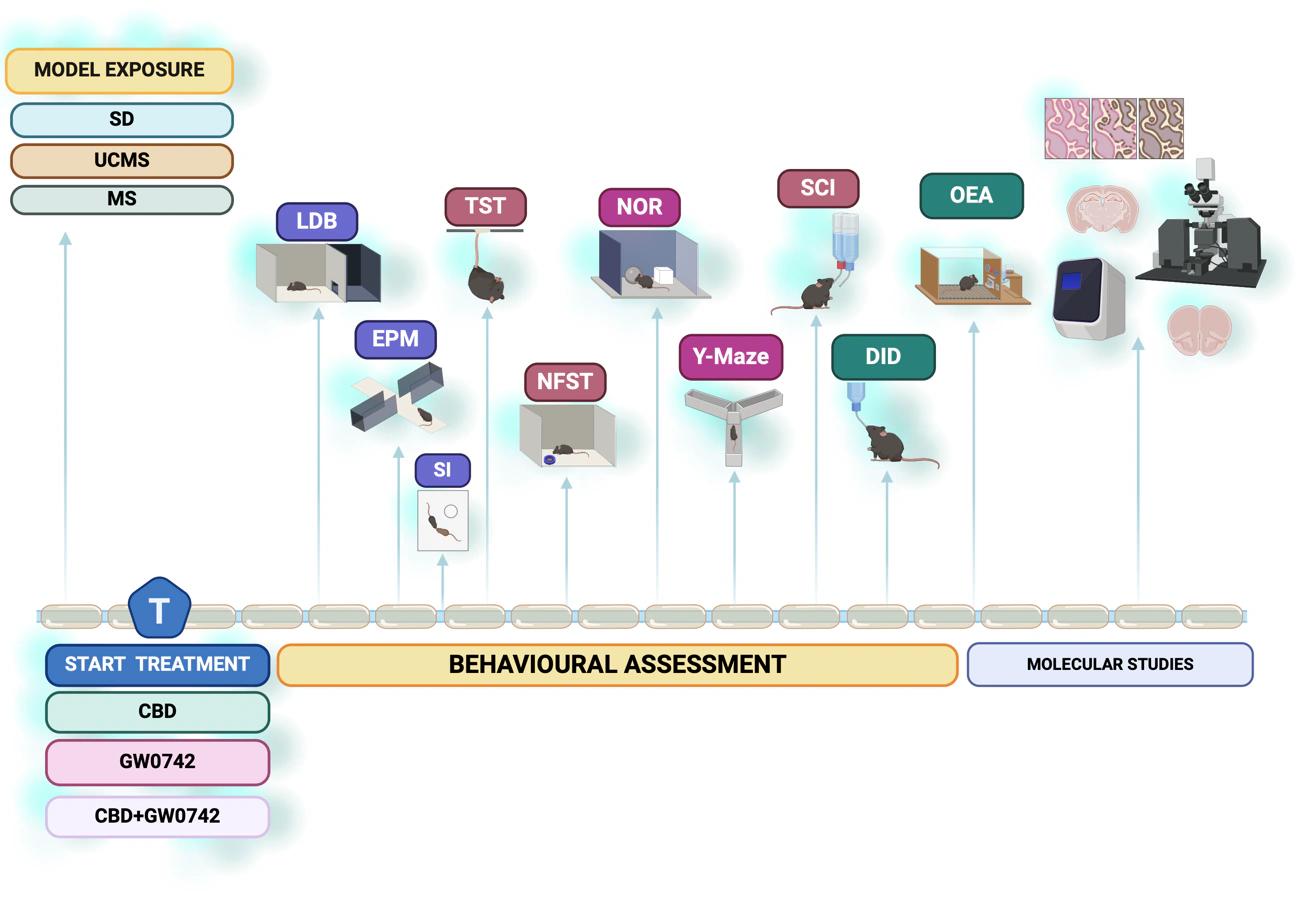
Therapeutic potential in animal models
CBD and a PPARβδ receptor agonist, in mice
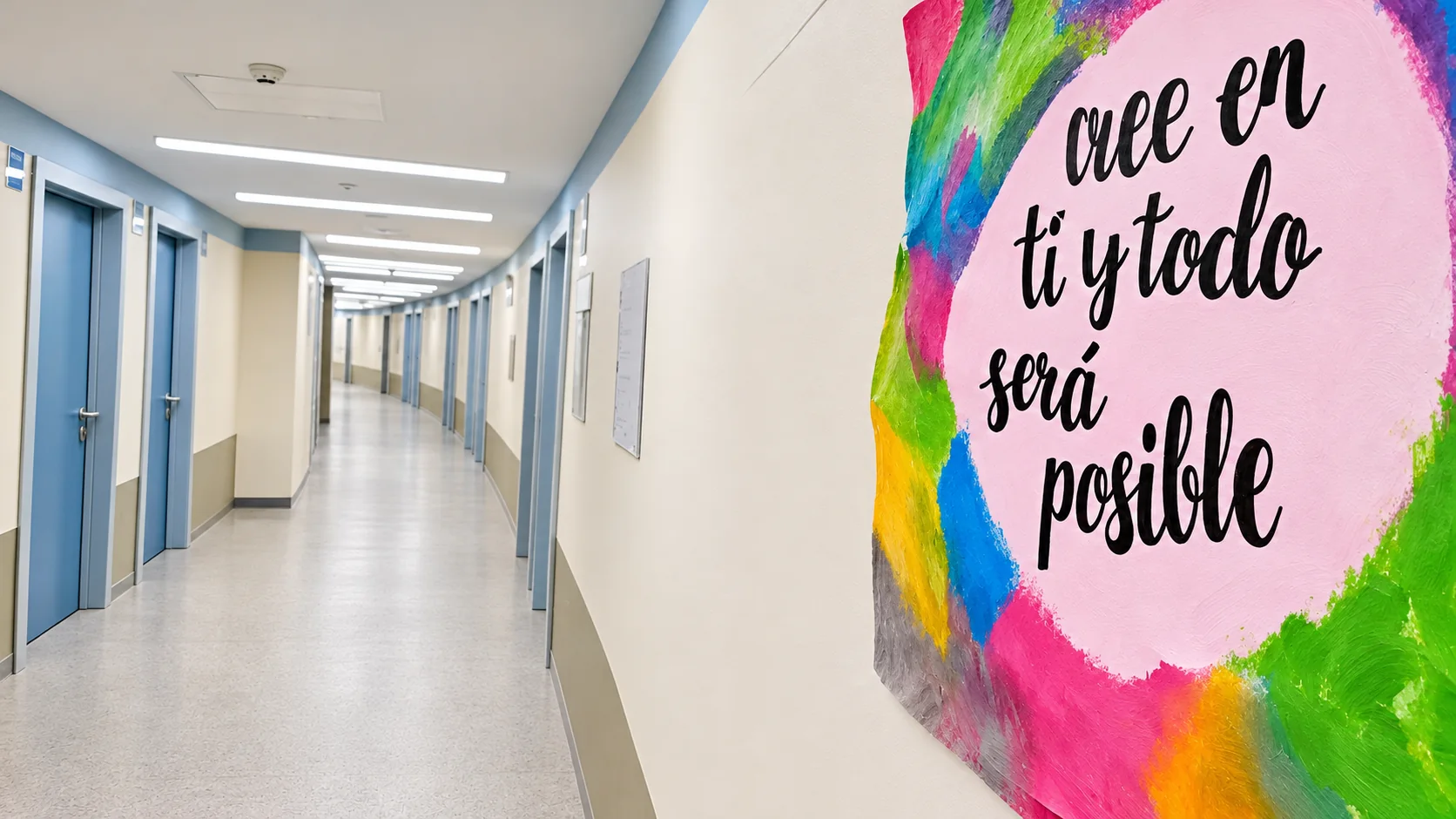
Adolescent Inpatient Unit, Hospital Universitario 12 de Octubre.
04Methods
28techniques
Full methodology10techniques
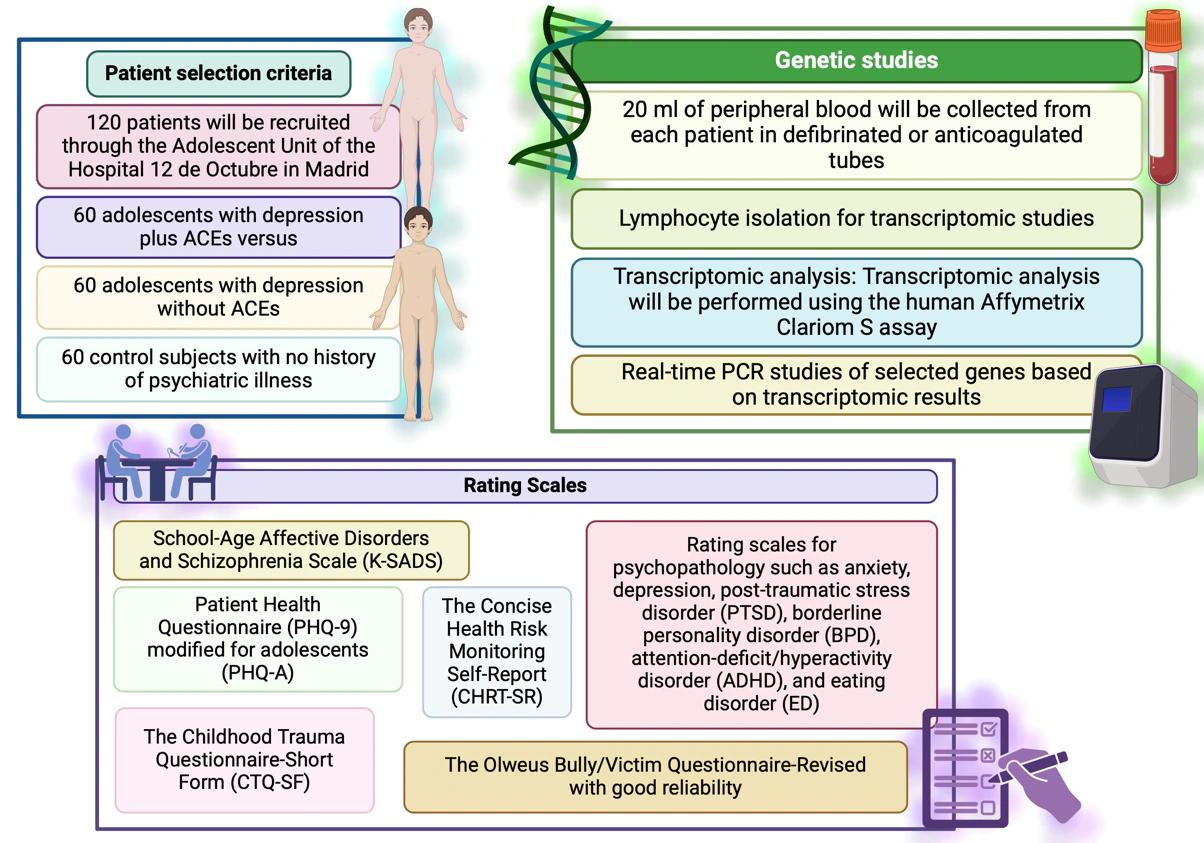
3techniques
10techniques
2techniques
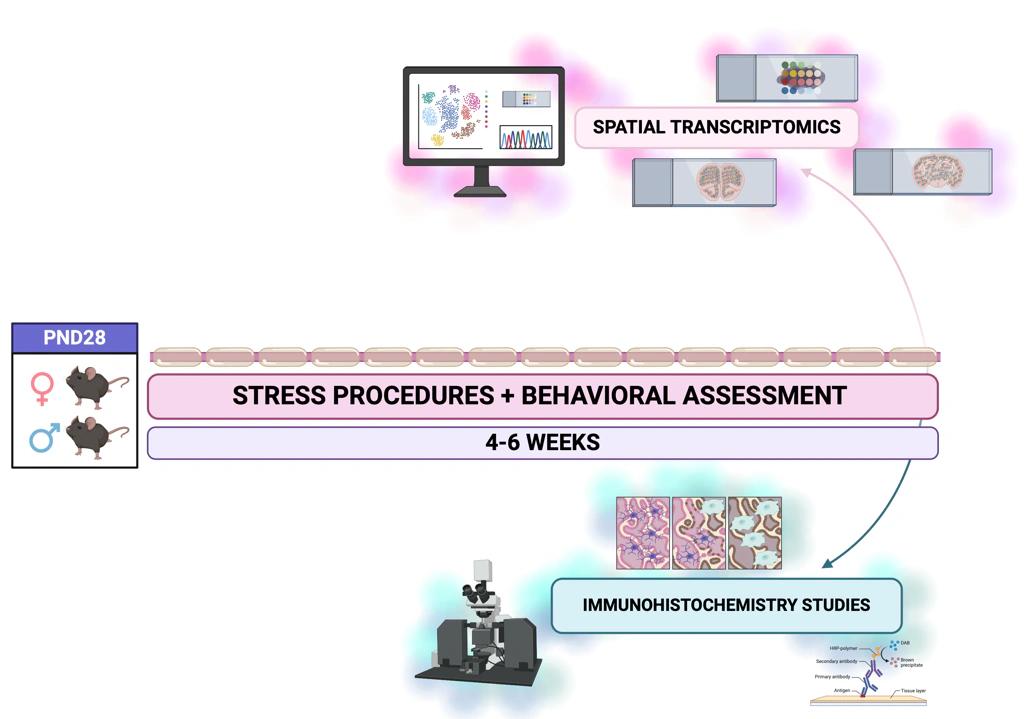
3techniques
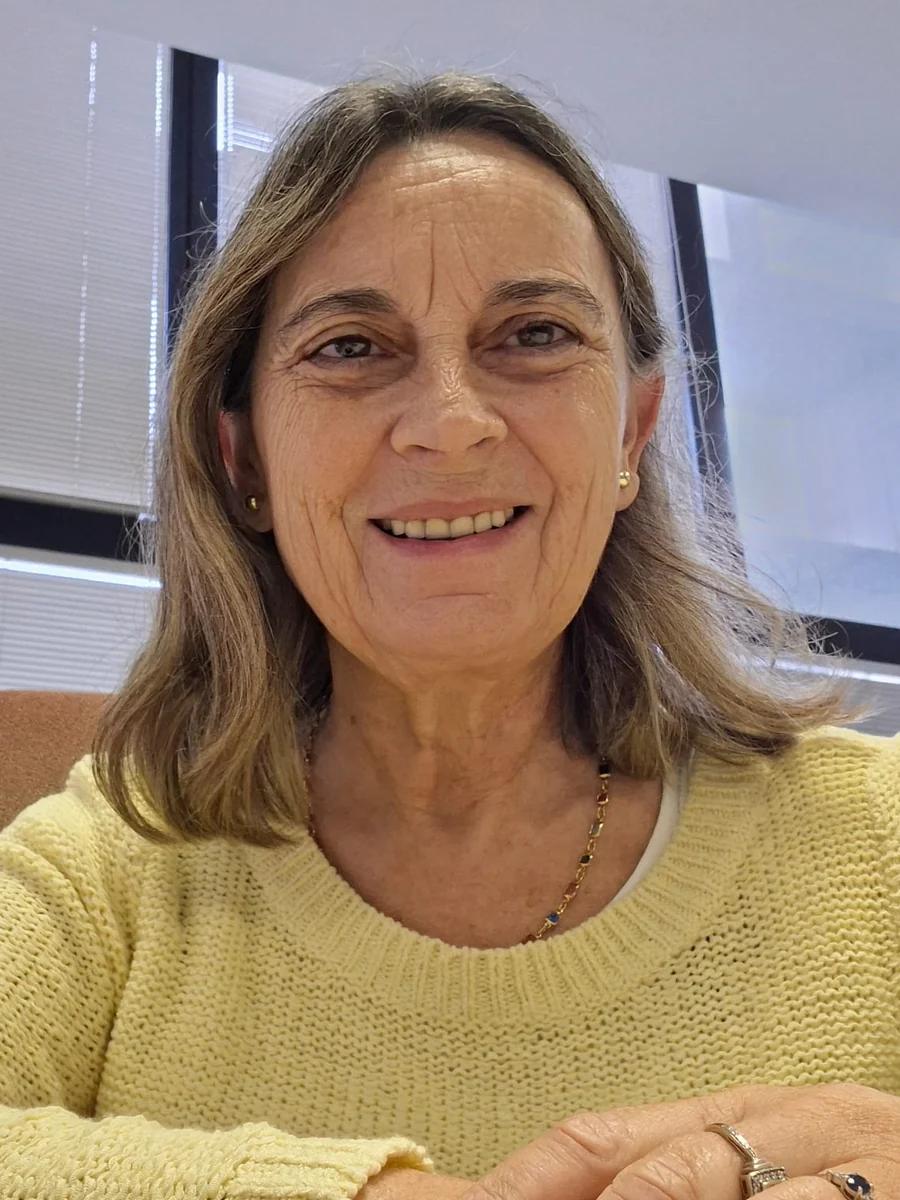
Principal investigator
Universitat de València
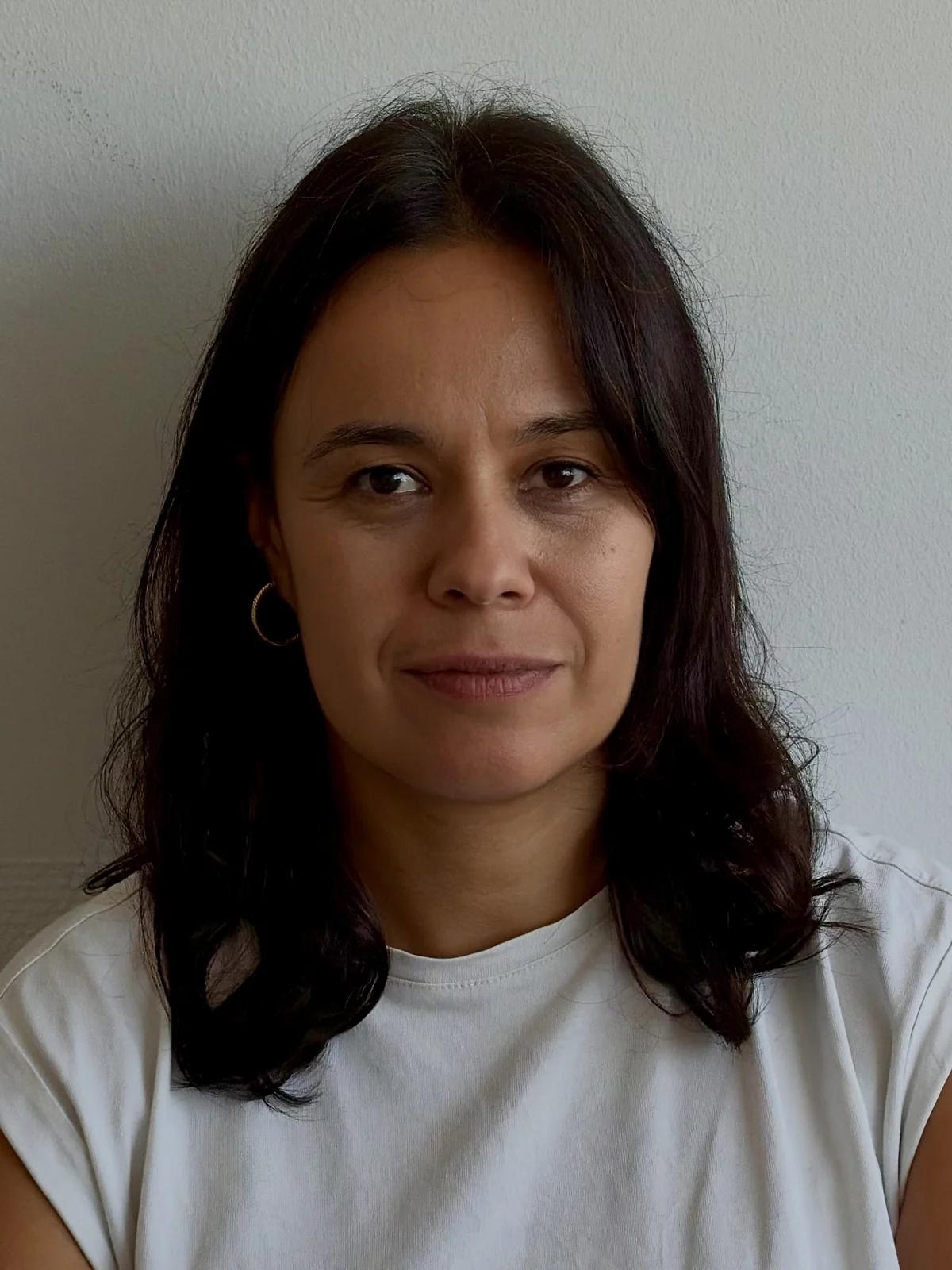
Member of the research team
Instituto de Neurociencias
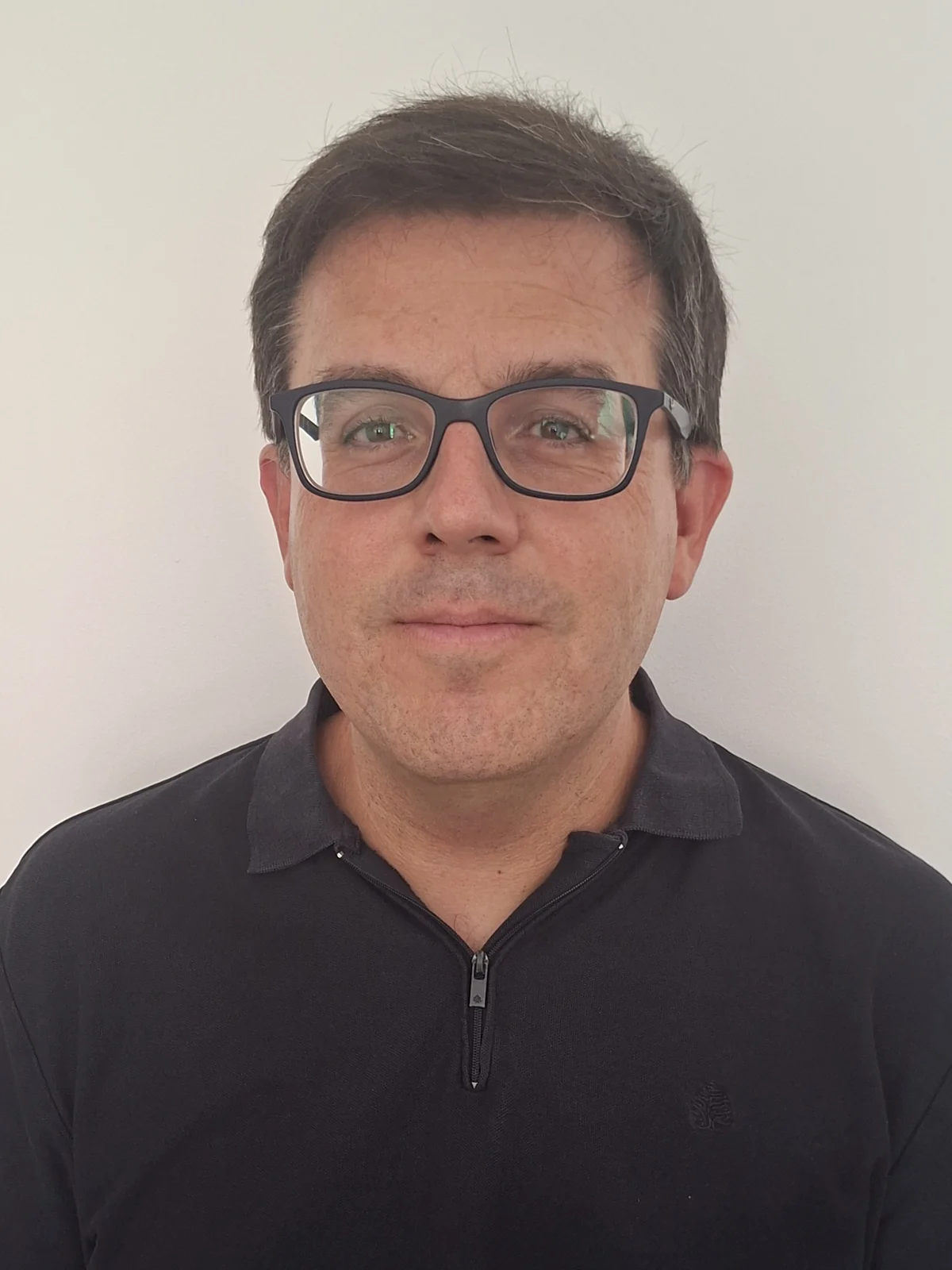
Member of the research team
Instituto de Neurociencias

Member of the research team
Instituto de Neurociencias
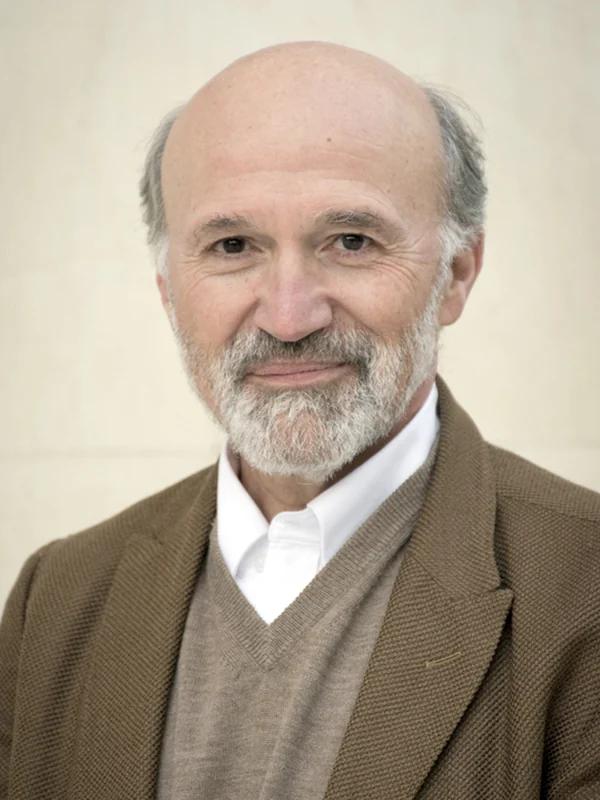
Member of the research team · PI of the Madrid group
Hospital Universitario 12 de Octubre
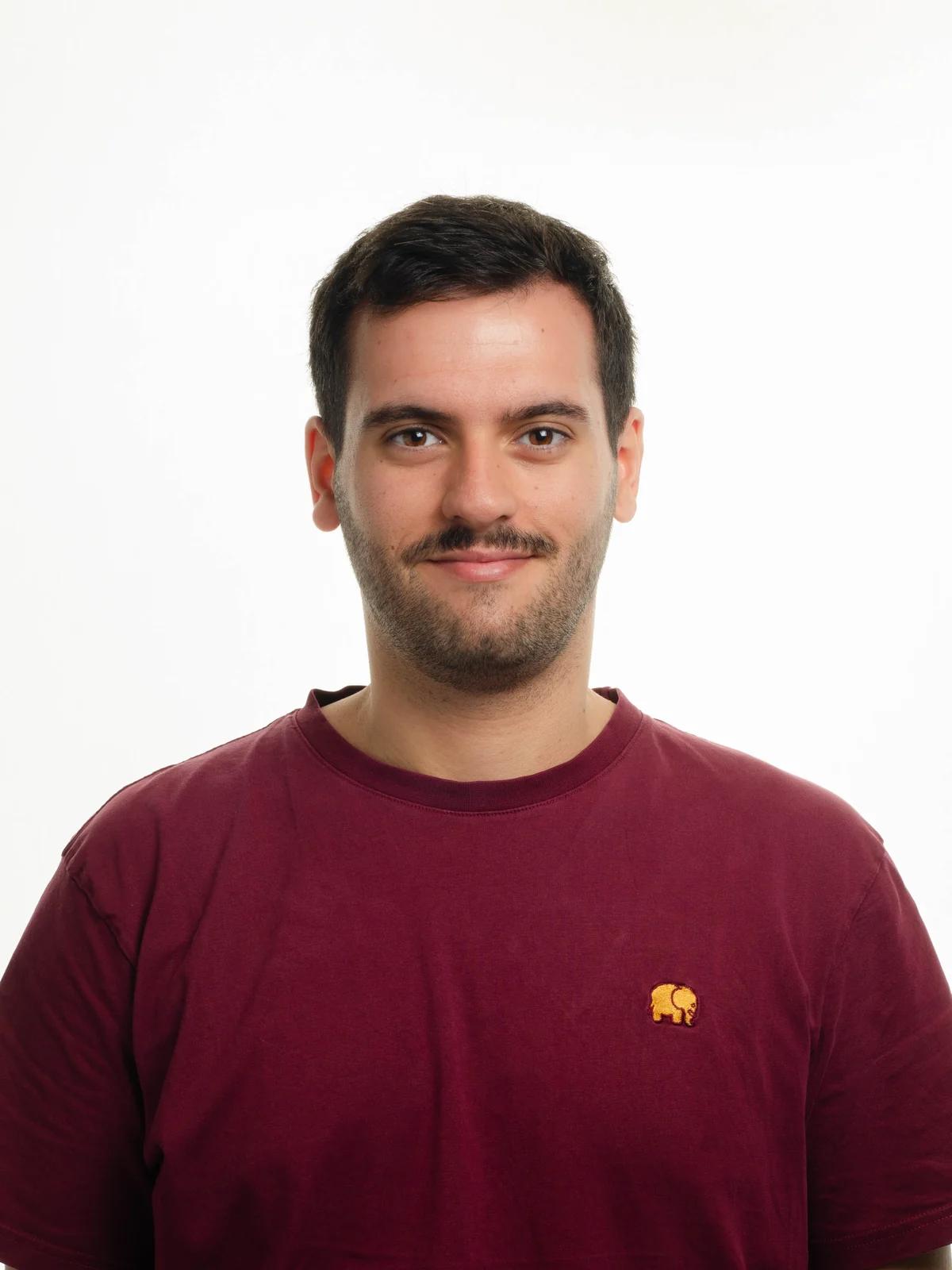
Collaborating researcher
Instituto de Neurociencias
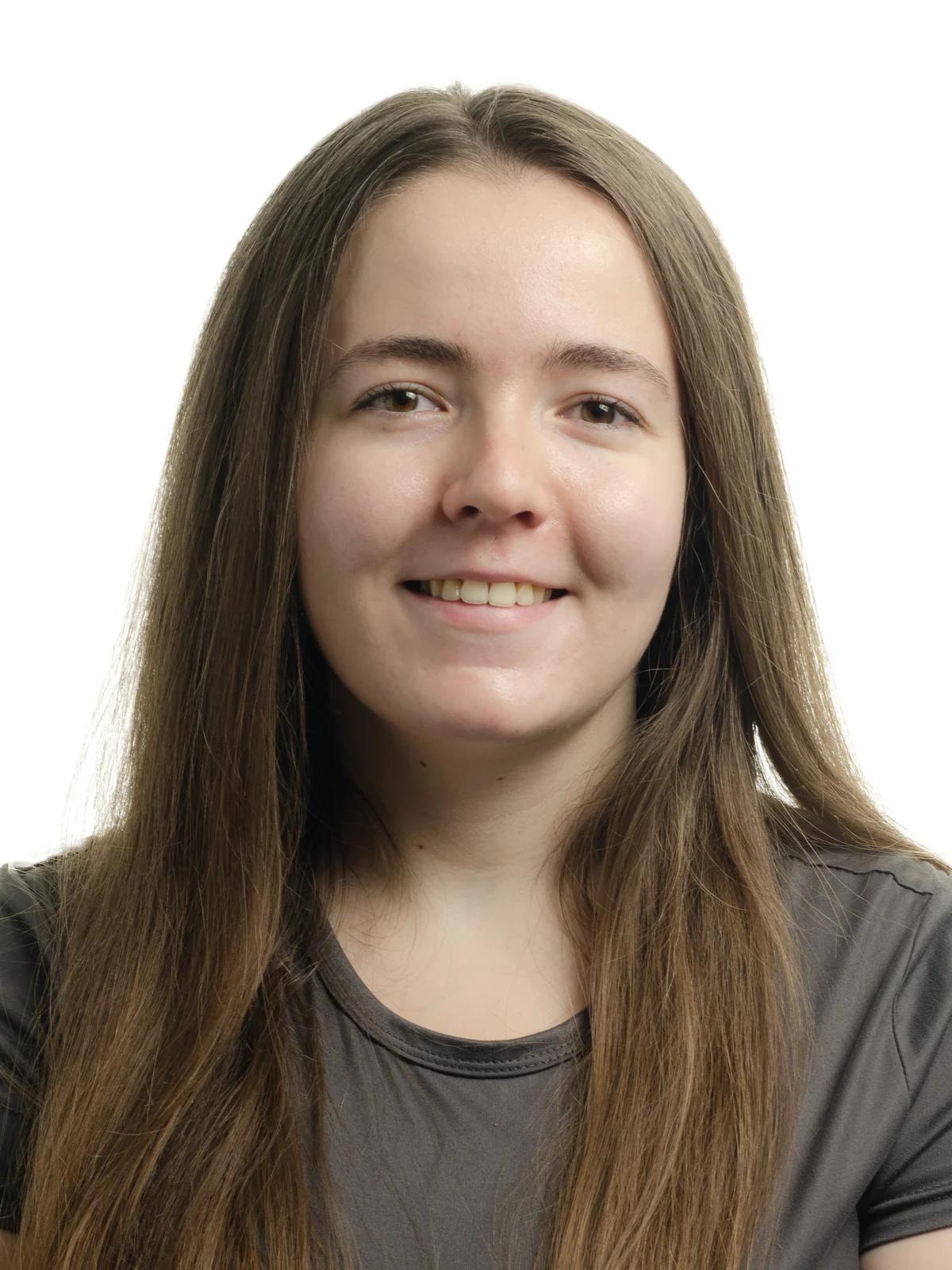
Collaborating researcher
Instituto de Neurociencias
06What it produces
2026
Scientific articles
Martínez-Caballero M., García-Pardo M., Calpe-López C., Arenas M., Manzanedo C., Aguilar M.
Physiology & Behavior
2026
Scientific articles
Martínez-Caballero M.Á., Calpe-López C., García-Pardo M.P., Arenas M.C., Manzanedo C., Aguilar M.A.
Psychopharmacology
2026
Scientific articles
Torregrosa A.B., García-Gutiérrez M.S., Manzanares J.
Neuropharmacology
2025
Scientific articles
Martínez-Caballero M.Á., Calpe-López C., García-Pardo M.P., Arenas M.C., Manzanedo C., Aguilar M.A.
Frontiers in Behavioral Neuroscience
2025
Scientific articles
Martínez-Caballero M.Á., Calpe-López C., García-Pardo M.P., Arenas M.C., de la Rubia Ortí J.E., Benlloch M., Manzanedo C., Aguilar M.A.
Pharmacology Biochemistry and Behavior
2025
Scientific articles
García‐Gutiérrez M.S., Torregrosa A.B., Navarrete F., Aracil‐Fernández A., Rubio G., Manzanares J.
Addiction
2025
Scientific articles
García-Gutiérrez M.S., Manzanares J.
Neural Regeneration Research
2025
Scientific articles
García-Gutiérrez M.S., Caparros E., Torregrosa A.B., Martínez-López S., Gasparyan A., Giner S., Manzanares J.
Neurotherapeutics
2025
Scientific articles
Torregrosa A.B., García-Gutiérrez M.S., Navarro D., Navarrete F., Manzanares J.
Biomedicine & Pharmacotherapy
2025
Scientific articles
Martínez-Caballero M.Á., Navarro D., Calpe-López C., Torregrosa A.B., García-Pardo M.P., Manzanares J., Aguilar M.A.
Neuropharmacology
2024
Scientific articles
Martínez-Caballero M.Á., Calpe-López C., García-Pardo M.P., Arenas M.C., de la Rubia Ortí J.E., Bayona-Babiloni R., Aguilar M.A.
Progress in Neuro-Psychopharmacology and Biological Psychiatry
2024
Scientific articles
Martínez-Caballero M.Á., García-Pardo M.P., Calpe-López C., Arenas M.C., Manzanedo C., Aguilar M.A.
Pharmaceuticals
2023
Scientific articles
Calpe-López C., Martínez-Caballero M.Á., García-Pardo M.P., Aguilar M.A.
Pharmacology Biochemistry and Behavior
2023
Scientific articles
García-Gutiérrez M.S., Navarro D., Torregrosa A.B., Viudez-Martínez A., Giner S., Manzanares J.
Journal of Affective Disorders
2023
Scientific articles
García-Gutiérrez M.S., Navarro D., Austrich-Olivares A., Manzanares J.
Frontiers in Pharmacology
2023
Scientific articles
Navarro D., Marín-Mayor M., Gasparyan A., García-Gutiérrez M.S., Rubio G., Manzanares J.
International Journal of Molecular Sciences
2022
Scientific articles
Calpe-López C., Martínez-Caballero M.A., García-Pardo M.P., Aguilar M.A.
World Journal of Psychiatry
2022
Scientific articles
Calpe-López C., Martínez-Caballero M., García-Pardo M., Aguilar M.
Physiology & Behavior
2022
Scientific articles
Calpe-López C., Martínez-Caballero M.A., García-Pardo M.P., Aguilar M.A.
Frontiers in Pharmacology
2022
Scientific articles
Austrich-Olivares A., García-Gutiérrez M.S., Illescas L., Gasparyan A., Manzanares J.
Pharmaceuticals
2021
Scientific articles
Calpe-López C., Gasparyan A., Navarrete F., Manzanares J., Miñarro J., Aguilar M.A.
Journal of Psychopharmacology
2020
Scientific articles
Calpe-López C., García-Pardo M.P., Martínez-Caballero M.A., Santos-Ortíz A., Aguilar M.A.
Frontiers in Behavioral Neuroscience
2017
Scientific articles
Viudez‐Martínez A., García‐Gutiérrez M.S., Navarrón C.M., Morales‐Calero M.I., Navarrete F., Torres‐Suárez A.I., Manzanares J.
Addiction Biology
2015
Scientific articles
García-Gutiérrez M.S., Navarrete F., Aracil A., Bartoll A., Martínez-Gras I., Lanciego J.L., Rubio G., Manzanares J.
Addiction Biology
2014
Scientific articles
Rodriguez‐Arias M., Navarrete F., Blanco‐Gandia M.C., Arenas M.C., Bartoll‐Andrés A., Aguilar M.A., Rubio G., Miñarro J., Manzanares J.
Addiction Biology
Carlos Vicente Baeza has obtained a contract as predoctoral research staff at the Universitat de València.
07Who participates



Valencia
Website — Universitat de València (opens in a new tab)CSIC — Universidad Miguel Hernández
Alicante
Website — Instituto de Neurociencias (opens in a new tab)Madrid
Website — Hospital Universitario 12 de Octubre (opens in a new tab)08Follow the project
For inquiries about the project, write to the principal investigator.
María Asunción Aguilar Calpe · Principal investigator
asuncion.aguilar@uv.es